Blockchain Routes in Portable Prize Systems: How Bonuses Integrate with Reward Distributions
Vera Schmid · Jun 15, 2026
Blockchain Routes in Portable Prize Systems: How Bonuses Integrate with Reward Distributions
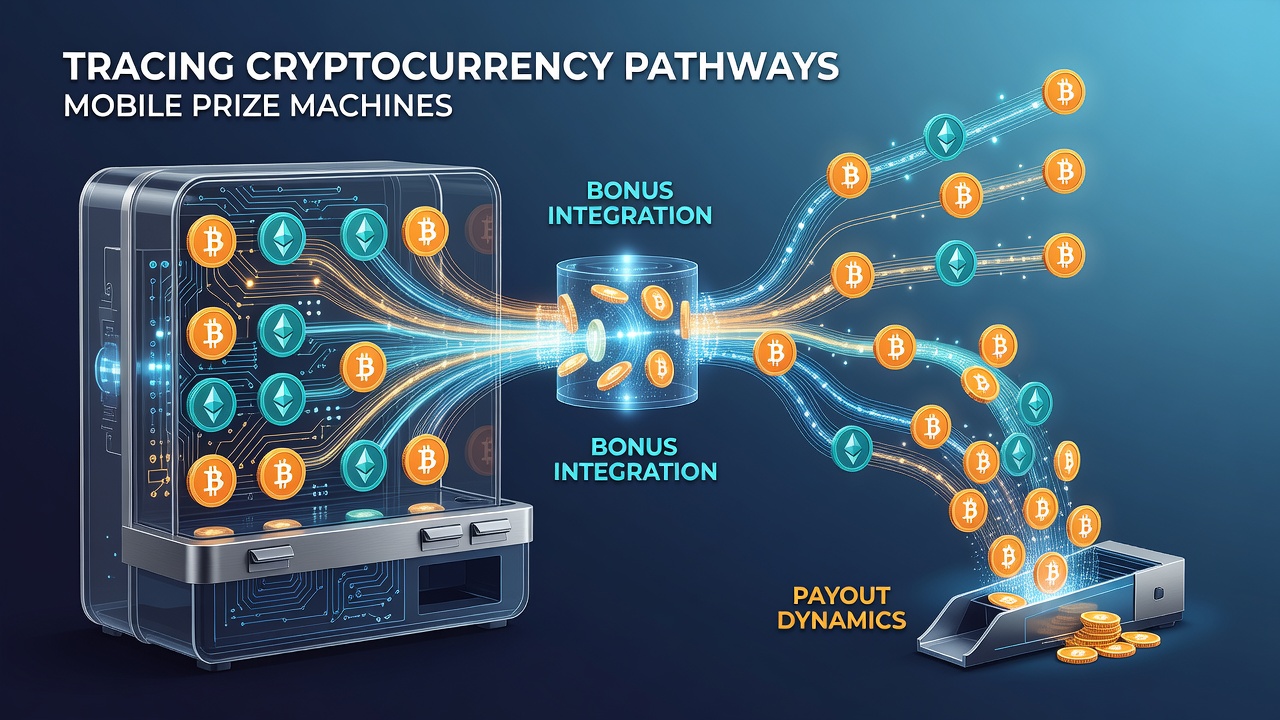
Portable prize systems on smartphones have incorporated cryptocurrency pathways that allow users to track digital asset movements from initial deposits through bonus applications to final disbursements, and these routes rely on public ledger entries combined with app-level accounting layers. Operators record each step on blockchain networks while maintaining internal ledgers that reconcile bonus credits against actual coin transfers, creating a dual-layer system where transparency meets operational control.
Transaction Logging Across Mobile Interfaces
Each deposit initiates a traceable entry on the chosen blockchain, and mobile applications pull confirmation data through API connections that timestamp the arrival of funds in operator-controlled wallets. Bonus integration occurs when the system allocates promotional credits to a separate user balance, yet the underlying cryptocurrency remains untouched until a player triggers a withdrawal request that converts credits back into on-chain transfers. Observers note that this separation reduces direct exposure of promotional funds to network fees while preserving audit trails that link every bonus award to its originating deposit transaction.
Smart contracts handle some automated bonus triggers in newer deployments, executing predefined conditions such as deposit thresholds or play volume milestones without requiring manual intervention from support teams. These contracts publish their execution logs on the same ledger, allowing external verification that bonus releases followed the stated parameters. Data from June 2026 shows increased adoption of such contract-based systems across North American and European platforms, with transaction volumes processed through mobile channels rising steadily compared to earlier desktop-dominant models.
Bonus Credit Allocation Mechanics
Bonus credits appear in user dashboards as non-withdrawable until wagering conditions complete, yet the mobile interface displays projected payout values based on current coin prices pulled from exchange APIs. When a player meets playthrough requirements, the system converts eligible credits into withdrawable balances and queues a transfer that references the original deposit hash. This reference creates a continuous chain visible in explorer tools, where analysts can follow the path from bonus activation to final coin release without accessing private account details.
Multi-currency support adds complexity because operators must maintain conversion rates that update in real time while preserving the traceability of each asset type. A bonus awarded in one cryptocurrency can convert during payout to another if the user selects a different withdrawal coin, and the platform records both the pre-conversion and post-conversion ledger entries. Researchers studying these flows have documented cases where conversion steps introduce additional confirmation delays, yet the overall pathway remains reconstructible through timestamped records.
Payout Triggering and Network Confirmation
Withdrawal requests initiate when users select an amount from their verified balance, and the mobile app generates a transaction that spends from the operator wallet while crediting the user's external address. Network nodes then validate the transfer, and the time required varies by blockchain congestion levels, with some systems offering priority fee options that users can activate directly from the prize machine interface. Once confirmation reaches a set threshold, the app updates the user history to mark the payout complete and archives the linked bonus records.
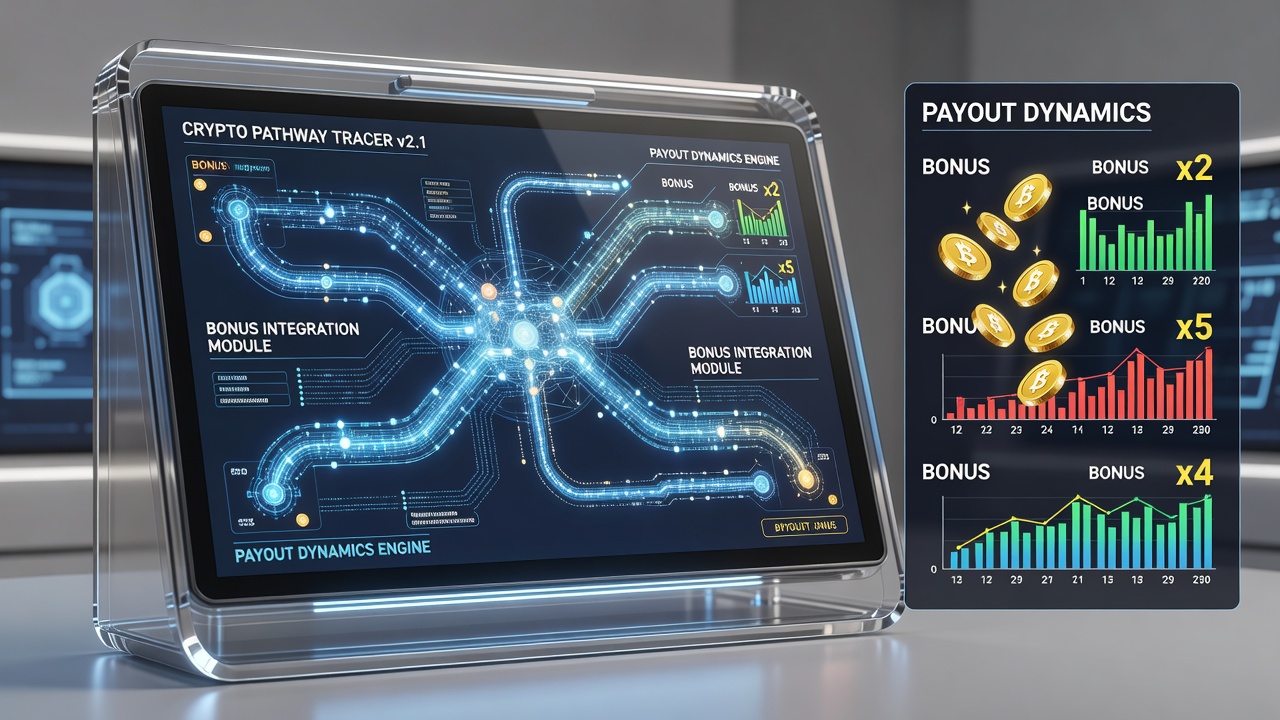
Security protocols require multi-signature approvals for larger payouts, and these signatures appear as additional metadata attached to the on-chain transaction. Such measures prevent single-point failures while still allowing forensic reconstruction of the authorization sequence. Industry reports from iGaming Ontario indicate that platforms using multi-signature setups experienced fewer disputed payout cases during the first half of 2026, as the visible approval chain reduced ambiguity around release decisions.
Verification Tools and External Auditing
Users and regulators employ blockchain explorers to inspect transaction histories, and some platforms embed direct links within the mobile app that populate explorer fields with relevant hashes. This feature lets individuals verify that bonus-related transfers match published rules without submitting support tickets. Academic studies from the University of Nevada, Las Vegas have examined how such embedded tools affect user trust levels, finding measurable increases in perceived transparency when pathways display in real time.
External auditors access aggregated datasets that strip personal identifiers yet retain linkage between bonus events and payout hashes, enabling statistical analysis of flow patterns across large user bases. These analyses reveal seasonal spikes in mobile prize activity that coincide with marketing campaigns, while also highlighting average confirmation times across different networks. The resulting reports feed back into system refinements that adjust fee estimates and bonus conversion logic.
Conclusion
Tracing cryptocurrency pathways in mobile prize machines requires attention to both on-chain records and the internal accounting layers that manage bonus credits. Integration points between promotional balances and actual digital assets create continuous audit trails that support verification at multiple stages, from deposit confirmation through wagering completion to final network settlement. As platforms refine these systems, the combination of smart contract automation and explorer-linked interfaces continues to shape how rewards distribute across portable devices.