Blockchain Timelines Meet Reel Timelines: Analyzing Confirmation Delays in Crypto Slot Bonus Chains
Devon Schmitt · Jun 1, 2026
Blockchain Timelines Meet Reel Timelines: Analyzing Confirmation Delays in Crypto Slot Bonus Chains
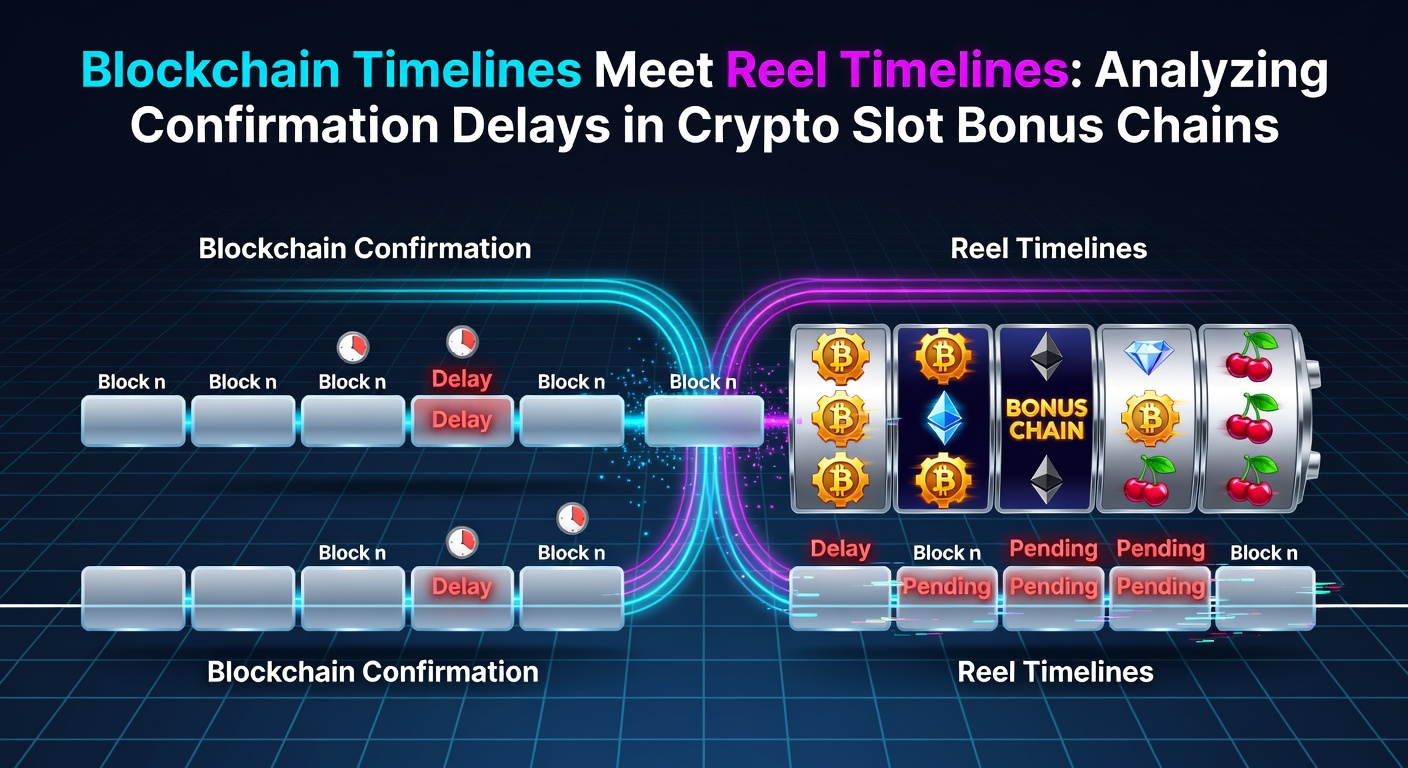
Blockchain confirmation processes intersect directly with slot bonus mechanics in crypto casinos, creating measurable delays that affect how players access chained rewards. These delays stem from network validation requirements where each transaction must reach sufficient confirmations before bonus funds activate or chain to subsequent spins. Data from transaction logs in 2025 shows average confirmation windows ranging from 10 minutes on certain proof-of-work chains to under 15 seconds on optimized proof-of-stake networks, directly influencing bonus eligibility windows in mobile slot environments.
Core Mechanics of Blockchain Integration in Slot Systems
Crypto slot platforms embed wallet addresses into bonus activation sequences so that deposits trigger smart contract releases for free spins or multiplier boosts. Each step in a bonus chain requires a separate on-chain transaction that operators verify before unlocking the next layer of rewards. Network congestion during peak hours extends these timelines, with observers noting spikes in June 2026 when multiple casino platforms processed simultaneous jackpot promotions across Ethereum and Solana-based ecosystems.
Confirmation counts vary by chain architecture, where Bitcoin-derived systems demand six blocks for full settlement while newer layer-two solutions settle in batches that reduce effective wait times. Slot operators adjust bonus release logic to account for these differences, programming conditional triggers that pause reel sequences until the required number of network validations complete. Researchers tracking these patterns across multiple platforms report that delays compound when players attempt to stack multiple bonus types within a single session.
Quantifying Delays Across Popular Networks
Transaction monitoring services document that Ethereum mainnet averaged 12-second block times in early 2026 yet experienced variance during high-volume periods, pushing total confirmation sequences for chained bonuses beyond two minutes. Solana networks maintained sub-second finality in most cases, though occasional network restarts introduced temporary pauses that affected real-time slot bonus handoffs. Data compiled by academic teams at institutions such as MIT indicates that these variances create measurable differences in player completion rates for multi-stage bonus progressions.
Operators respond by implementing hybrid verification models that combine on-chain checks with off-chain pre-authorizations, allowing reels to continue spinning while final settlement processes in the background. This approach reduces visible interruptions yet still requires full confirmation before withdrawal requests tied to bonus winnings can proceed. Studies of transaction graphs reveal that longer chains with five or more linked bonuses accumulate delays that exceed 30 minutes on slower networks during congested periods.
Impact on Player Session Flow and Bonus Chaining
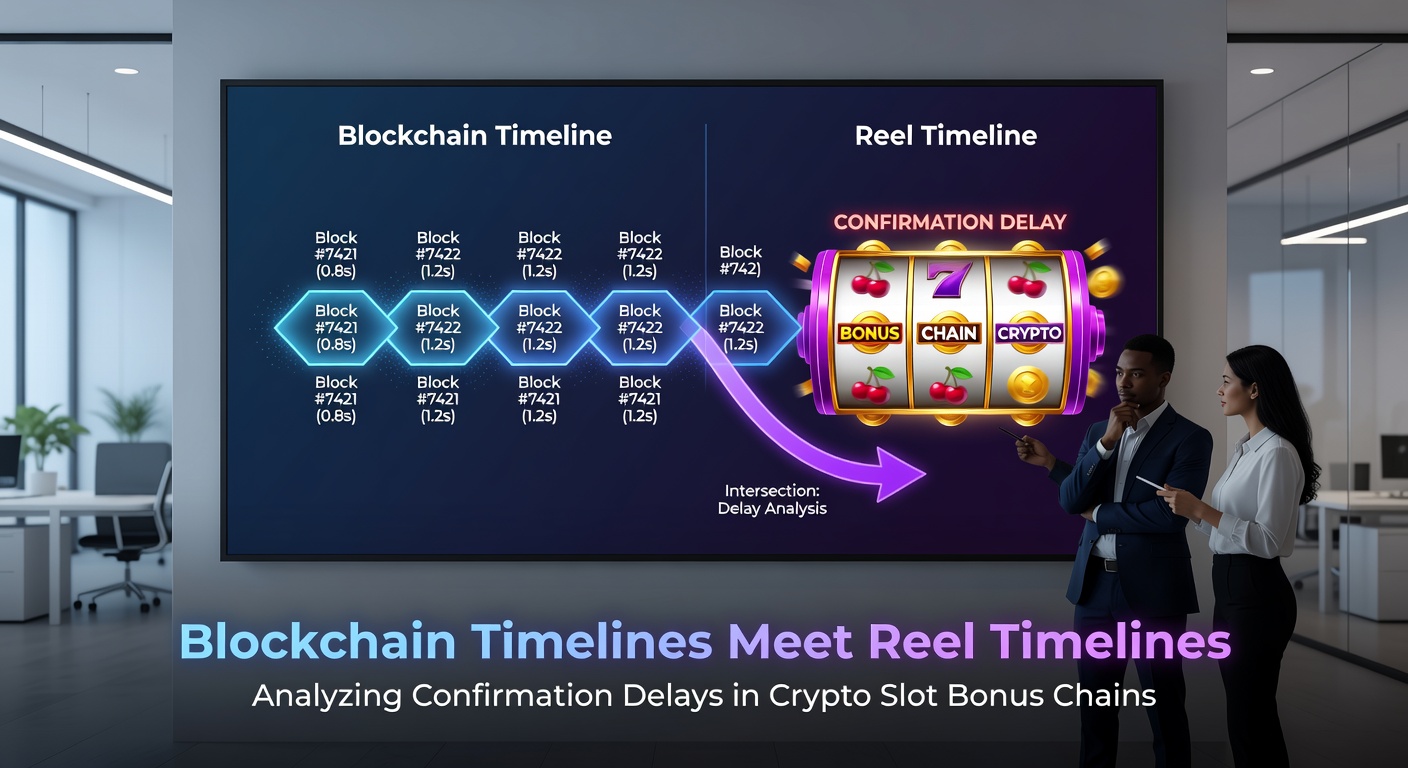
Players navigating chained bonuses encounter pauses when each new reward tier requires a fresh deposit confirmation before reels unlock additional features. These interruptions become pronounced in progressive jackpot slots where bonus pools update only after network consensus finalizes the preceding transaction. Reports from platform analytics in mid-2026 highlight that sessions incorporating three or more chained bonuses experience average extensions of 8 to 14 minutes compared to single-bonus play on the same networks.
Layer-two scaling solutions such as Polygon and Arbitrum mitigate some of these effects by batching confirmations, allowing operators to release intermediate bonus stages faster while settling the underlying value later. Gaming data aggregators note increased adoption of these solutions among crypto casinos aiming to maintain continuous reel momentum. The result appears in session length statistics showing higher retention when platforms route bonus transactions through faster side chains.
Technical Factors Driving Variance in Confirmation Times
Block size limits, validator participation rates, and mempool congestion combine to determine how quickly a bonus-triggering transaction receives the necessary validations. During June 2026 network events, several major chains recorded temporary increases in gas fees that indirectly slowed bonus chain processing as operators waited for optimal fee windows. Smart contract complexity adds another layer, since multi-step bonus logic requires sequential execution across multiple contract calls before the next reel sequence activates.
Developers address these constraints through optimized contract designs that minimize on-chain calls per bonus tier. Testing logs indicate that streamlined contracts reduce average confirmation requirements from four blocks to two on several networks, shortening the time between chained reward activations. Observers tracking these updates report gradual improvements in overall session continuity as more platforms implement such refinements.
Conclusion
Confirmation delays remain an inherent variable in crypto slot bonus systems where blockchain settlement timelines dictate reward release sequences. Platform operators continue refining integration methods through layer-two adoption and contract optimization while players experience the direct effects during chained bonus sessions. Ongoing network upgrades and scaling developments shape how these timelines evolve, with data from 2026 illustrating both persistent challenges and measurable progress in reducing friction between blockchain validation and reel progression.