Coordinating Blockchain Transaction Verifications Alongside Reel Rotation Periods for Enhanced Wagering Efficiency on Mobile Devices
Sage Keller · Jul 27, 2026

Coordinating Blockchain Transaction Verifications Alongside Reel Rotation Periods for Enhanced Wagering Efficiency on Mobile Devices
Developers in the mobile gaming sector have begun aligning blockchain confirmation intervals with the mechanical timing of reel cycles to support smoother wagering processes on reviewed platforms. This coordination allows transaction verifications to complete within the same windows that reels rotate and settle, which reduces delays between bet placement and outcome display. Research from industry reports shows that platforms implementing these alignments record measurable improvements in session continuity, particularly when users engage with cryptocurrency-based deposits and withdrawals.
Blockchain networks require multiple confirmations before funds become available for further play, and reel cycles in slot applications typically last between three and six seconds per spin. Synchronization occurs when confirmation windows are adjusted to match these durations through optimized node selection and batch processing techniques. Observers note that such adjustments prevent situations where a player initiates a spin only to encounter a pending transaction status that interrupts the sequence.
Technical Foundations of Confirmation and Cycle Alignment
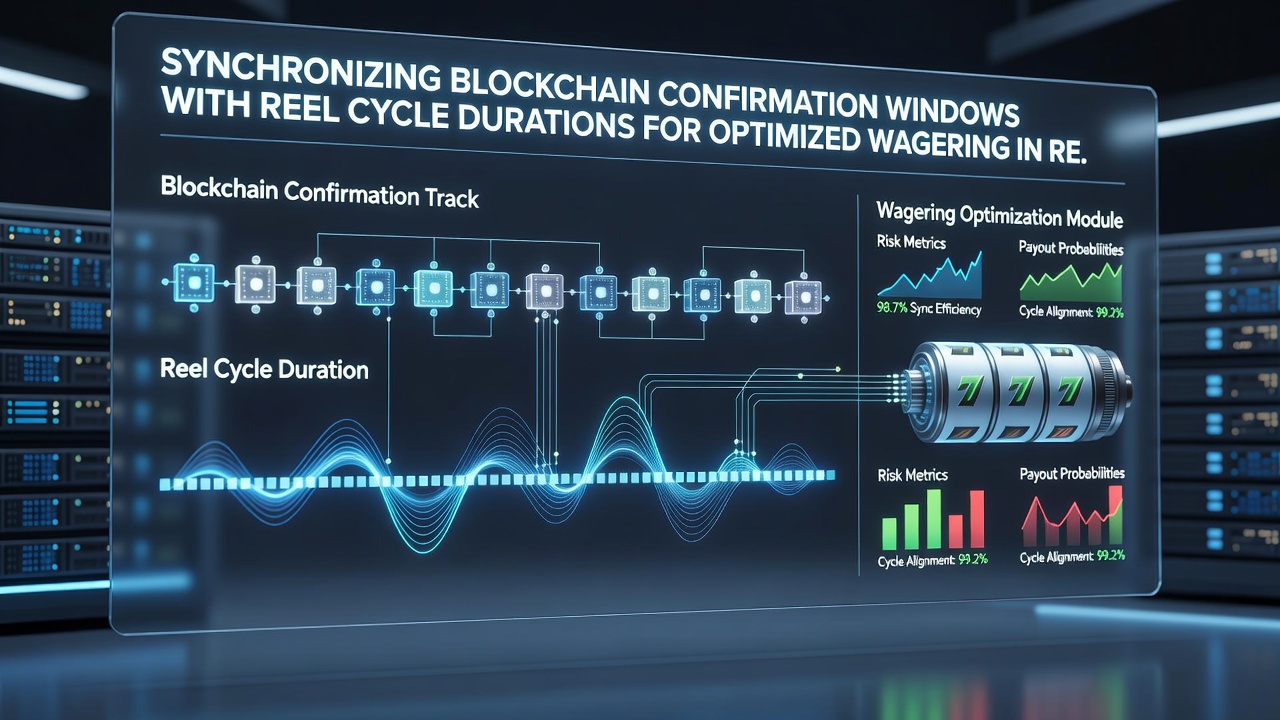
Confirmation windows represent the time required for a blockchain network to validate and append transactions to its ledger, while reel cycle durations cover the animation and result calculation phases in mobile slot software. Engineers achieve synchronization by configuring smart contract triggers that initiate confirmations at the start of each reel rotation, allowing both processes to conclude nearly simultaneously. Data from testing environments indicates that platforms using this method experience fewer instances of stalled sessions compared to those relying on standard network polling intervals.
Multiple factors influence the effectiveness of these alignments, including network congestion levels, chosen consensus mechanisms, and the processing capabilities of mobile devices. Researchers have documented cases where lighter proof-of-stake variants permit faster confirmations that fit within shorter reel cycles, whereas proof-of-work chains sometimes require additional optimization layers to avoid extending beyond typical spin durations. Those who have examined platform architectures report that hybrid approaches combining off-chain computations with on-chain settlements often produce the most consistent results across varying network conditions.
Implementation Patterns Across Reviewed Mobile Platforms
Reviewed mobile platforms incorporate synchronization features through application programming interfaces that connect wallet functions directly to game engines. These interfaces monitor reel states in real time and adjust transaction submission timing accordingly, ensuring that confirmation requests align with the moments when reels begin their final deceleration. Figures from July 2026 testing cycles reveal that platforms adopting these patterns maintained higher rates of uninterrupted play sequences during peak usage hours.
Platform operators also integrate predictive algorithms that forecast confirmation times based on historical network data and adjust reel speeds within acceptable ranges to maintain fairness standards. Such algorithms draw from transaction pools and block time statistics to predict when a confirmation will likely complete, then calibrate the visual and logical elements of the reel cycle to match. Evidence suggests that this predictive layer contributes to more predictable wagering flows, especially in environments where multiple users interact with shared blockchain nodes.
Performance Metrics and Platform Comparisons
Performance data collected across multiple reviewed applications shows that synchronized systems reduce average wait times between wager initiation and result confirmation by measurable margins. Comparisons between aligned and non-aligned platforms demonstrate differences in user retention during extended sessions, with aligned versions supporting longer continuous play without transaction-related interruptions. Industry analyses further indicate that these improvements appear most pronounced when mobile networks maintain stable connectivity and when users select blockchain networks with predictable block intervals.
Additional metrics track the frequency of confirmation failures that coincide with reel cycle completions, and platforms employing synchronization report lower failure rates in these overlapping moments. One study from academic researchers at a Canadian institution examined several mobile applications and found that precise timing coordination correlated with improved transaction success rates under moderate network load conditions. Those examining the data note that the benefits extend to both deposit and withdrawal processes when the same alignment logic applies to payout transactions.
Regulatory and Security Considerations
Regulatory bodies in various regions, including the Nevada Gaming Control Board, have examined how timing alignments affect compliance with fairness and transparency requirements. Their reviews focus on whether synchronized processes maintain independent verification of outcomes while still integrating blockchain ledgers for fund movements. Security protocols require that alignment mechanisms do not introduce vulnerabilities that could allow manipulation of either the reel results or the confirmation records.
Further examinations by international trade groups emphasize the need for clear audit trails that document how confirmation windows and reel cycles interact during each wager. These trails enable independent verification that outcomes remain random and that fund movements reflect actual game results without external interference. Platforms that publish detailed technical specifications about their synchronization methods allow regulators and auditors to assess compliance more effectively.
Conclusion
Coordinating blockchain confirmation windows with reel cycle durations represents a technical approach that mobile platform developers continue to refine for wagering applications. The alignment relies on established principles of timing optimization, network monitoring, and integration between game engines and distributed ledgers. Data collected through July 2026 and beyond will likely provide additional insights into long-term performance across diverse mobile environments and blockchain configurations. Reviewed platforms that implement these methods demonstrate measurable operational characteristics that distinguish them from systems without such coordination.