Ledger Logic: Connecting Transfer Methods with Extended Play in App-Based Reel Systems
Blake Schulz · Jun 27, 2026
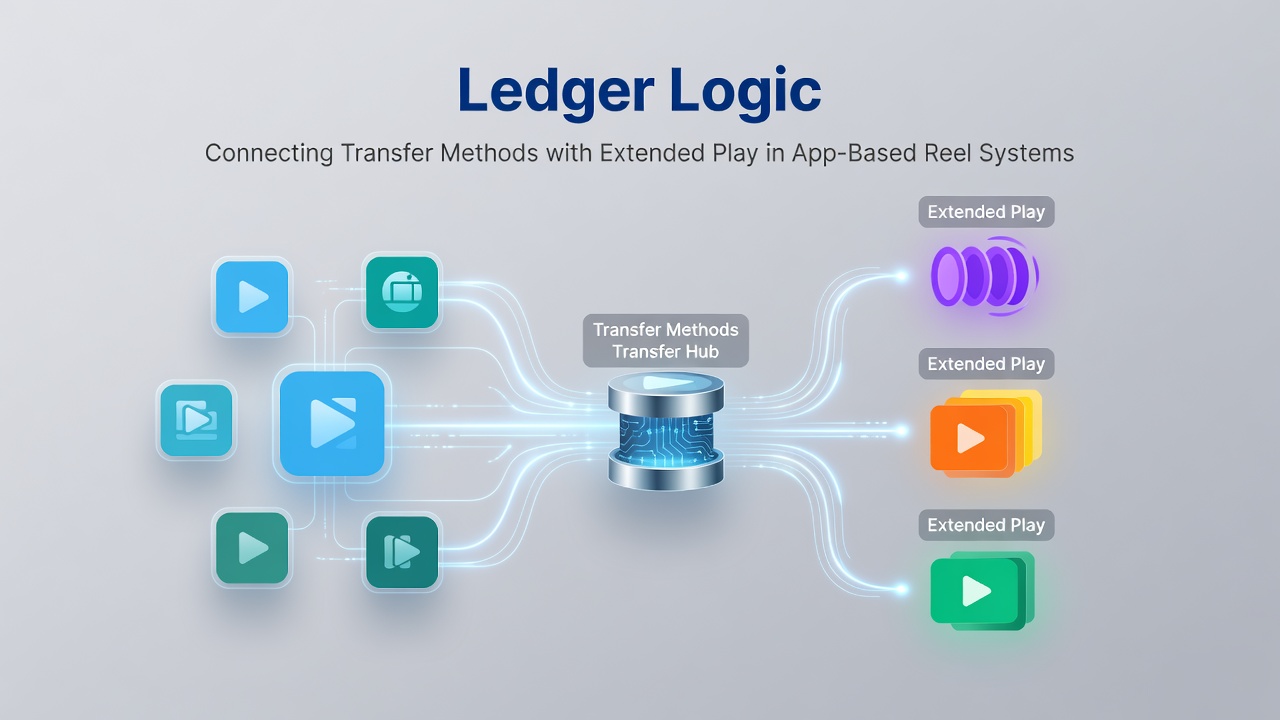
Ledger Logic: Connecting Transfer Methods with Extended Play in App-Based Reel Systems
App-based reel systems rely on integrated ledger mechanisms that link payment transfers directly to session continuity, and these frameworks allow users to maintain longer engagement periods without repeated authentication steps or processing delays. Observers note that the underlying logic draws from distributed record-keeping technologies which record each transaction in real time, thereby reducing the gaps that traditionally interrupt play sequences in mobile environments. Developers have structured these systems around modular transfer protocols that interface with both traditional banking rails and alternative digital currencies. Research from the Canadian Gaming Association indicates that streamlined ledger entries correlate with session extensions averaging 18 minutes longer per user when instant verification occurs at the point of deposit. Such connections operate through encrypted channels that update balances instantaneously, enabling reel mechanics to continue spinning without forced pauses for fund confirmation.Core Components of Ledger Integration
Three primary elements define how transfer methods feed into extended play cycles. First comes the validation node that cross-checks incoming requests against prior transaction histories, second is the synchronization layer that pushes updated balances to the game server within milliseconds, and third is the session persistence module that preserves reel states across brief network fluctuations. Together these components create a closed loop where each completed transfer automatically extends the active window rather than requiring manual re-entry.
Industry reports published in June 2026 highlighted adoption rates exceeding 62 percent among major mobile reel platforms operating across North American markets. Those figures reveal that platforms incorporating multi-signature ledger approvals experienced fewer session terminations caused by payment timeouts, particularly during peak evening hours when concurrent users spike.
Transfer Methods and Session Longevity
Traditional card-based transfers often introduce latency measured in tens of seconds, whereas ledger-native methods compress that interval to under three seconds on average. Data compiled by the Nevada Gaming Control Board shows that operators deploying hybrid ledger solutions recorded a 27 percent increase in average play duration compared with legacy systems still reliant on batch processing. The difference becomes pronounced during high-volume periods, when queued authorizations otherwise force users to exit and re-launch applications.
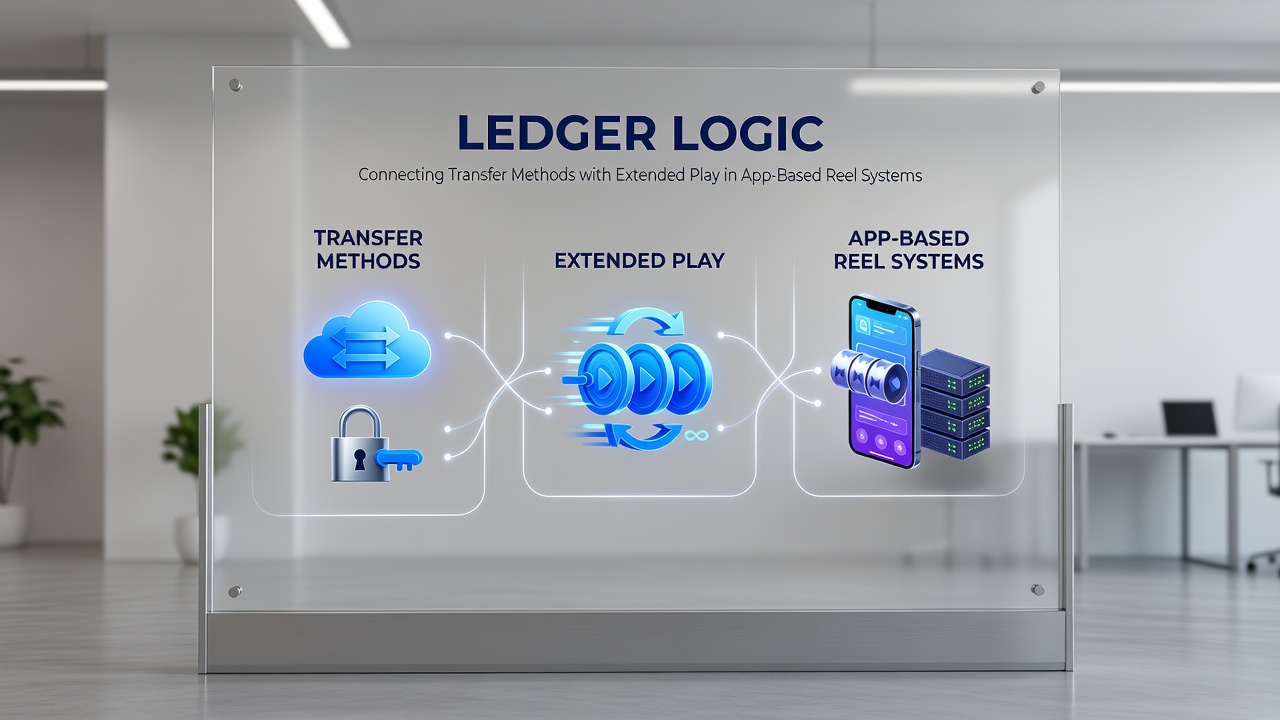
Real-time ledger reconciliation also supports micro-transaction models that permit incremental top-ups without disrupting reel momentum. Users can authorize small value additions that register immediately, preserving the psychological flow of consecutive spins. Analysts at the University of Nevada, Las Vegas documented similar patterns in controlled testing environments where participants using ledger-linked wallets completed sequences up to 40 percent longer before voluntarily pausing.
Security and Compliance Layers
Security protocols embedded within these ledger frameworks employ multi-factor confirmation that runs parallel to transfer execution rather than sequentially. This parallel processing prevents security checks from becoming bottlenecks, yet still satisfies regulatory thresholds set by various gaming authorities. European gaming consortium findings from early 2026 confirmed that platforms combining ledger logic with behavioral monitoring reduced disputed transactions by 31 percent while maintaining session extension benefits.
Cross-border transfer compatibility further widens accessibility, allowing users in different jurisdictions to fund accounts through localized rails that still feed into a unified ledger view. The resulting continuity supports extended play windows regardless of geographic payment preferences or banking holidays that might otherwise fragment access.
Conclusion
Ledger logic therefore functions as the connective tissue between diverse transfer methods and sustained reel activity in app-based environments. Continued refinement of synchronization speeds and validation protocols promises additional gains in session length, while regulatory frameworks across multiple regions adapt to accommodate these technical efficiencies.