Optimizing Payment Processing Rates to Align with Slot Volatility for Wagering Efficiency
Sage Keller · Jun 20, 2026
Optimizing Payment Processing Rates to Align with Slot Volatility for Wagering Efficiency
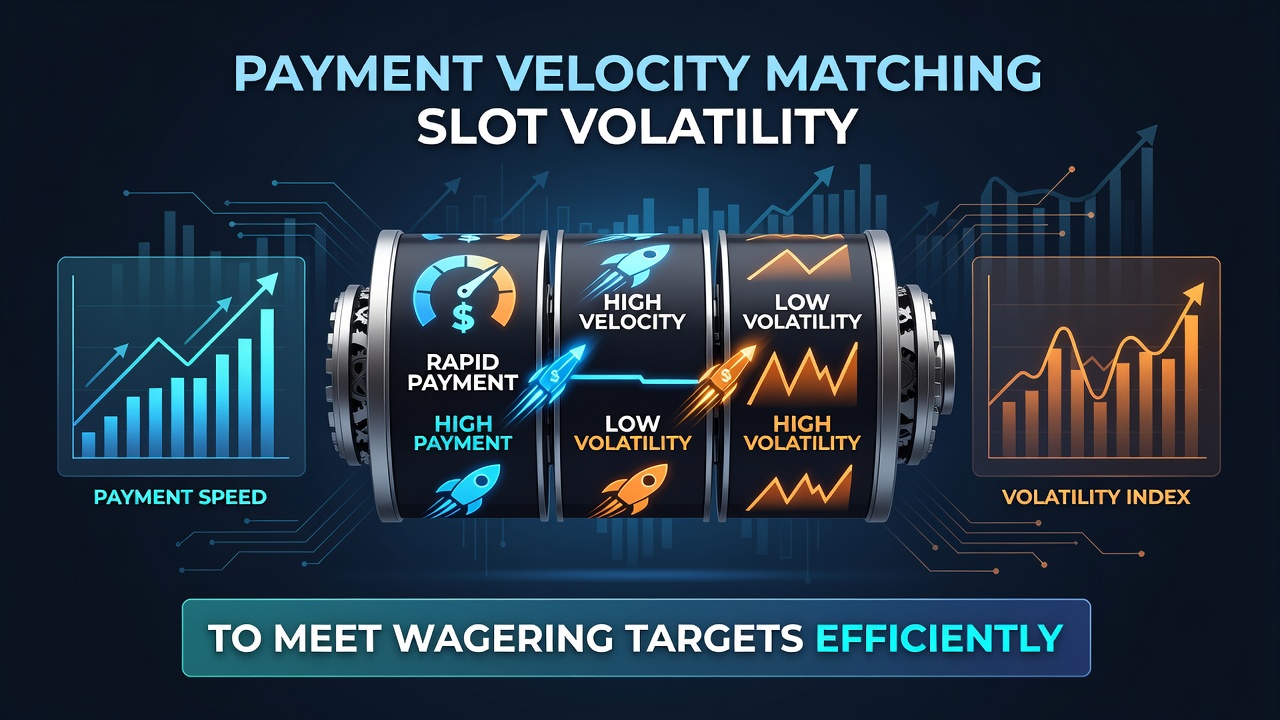
Payment velocity refers to the speed at which funds transfer through casino systems, and this metric interacts directly with slot volatility when players pursue wagering targets. High-volatility slots produce infrequent but larger payouts, whereas low-volatility options deliver smaller wins at higher frequency. Matching these characteristics to payment processing speeds allows operators and players to coordinate deposit and withdrawal cycles with the natural rhythm of game outcomes.
Core Components of Payment Velocity in Casino Environments
Transaction processing times vary across banking methods, cryptocurrency networks, and e-wallet providers. Faster rails such as certain stablecoin transfers complete in seconds, while traditional card processors or bank wires may require hours or days. Industry reports from the Nevada Gaming Control Board document average settlement times across different payment categories, adn these figures influence how quickly players can replenish balances during extended sessions.
Volatility settings determine payout distribution patterns. Data compiled by gaming analytics firms shows that titles classified as high volatility maintain return-to-player percentages between 94 and 97 percent yet distribute rewards in larger increments separated by longer dry spells. Low-volatility games, by contrast, spread smaller returns across more frequent spins, creating steadier balance fluctuations that align with slower payment cycles.
Aligning Velocity with Volatility Categories
Players pursuing bonus wagering requirements often select volatility levels that complement available payment options. When rapid deposits support quick top-ups, high-volatility slots become feasible because users can sustain play through extended losing streaks without interruption. Slower payment methods pair more effectively with low-volatility titles, since smaller, regular wins reduce the need for immediate additional funding.
June 2026 Platform Adjustments
Platform updates rolled out in June 2026 introduced configurable payment velocity tiers that operators can link to specific game libraries. These adjustments allow systems to flag volatility ratings automatically and suggest compatible funding methods. Regulatory filings from multiple jurisdictions indicate that such features emerged in response to observed patterns in bonus completion rates across mobile and desktop environments.
One documented approach involves segmenting player accounts by preferred transaction speed. Accounts configured for instant cryptocurrency settlements receive recommendations for high-volatility selections, while accounts using standard card processing receive prompts toward medium-volatility titles. Software providers report that these automated pairings have coincided with measurable shifts in average session duration and wagering completion percentages.
Practical Implementation Across Game Libraries
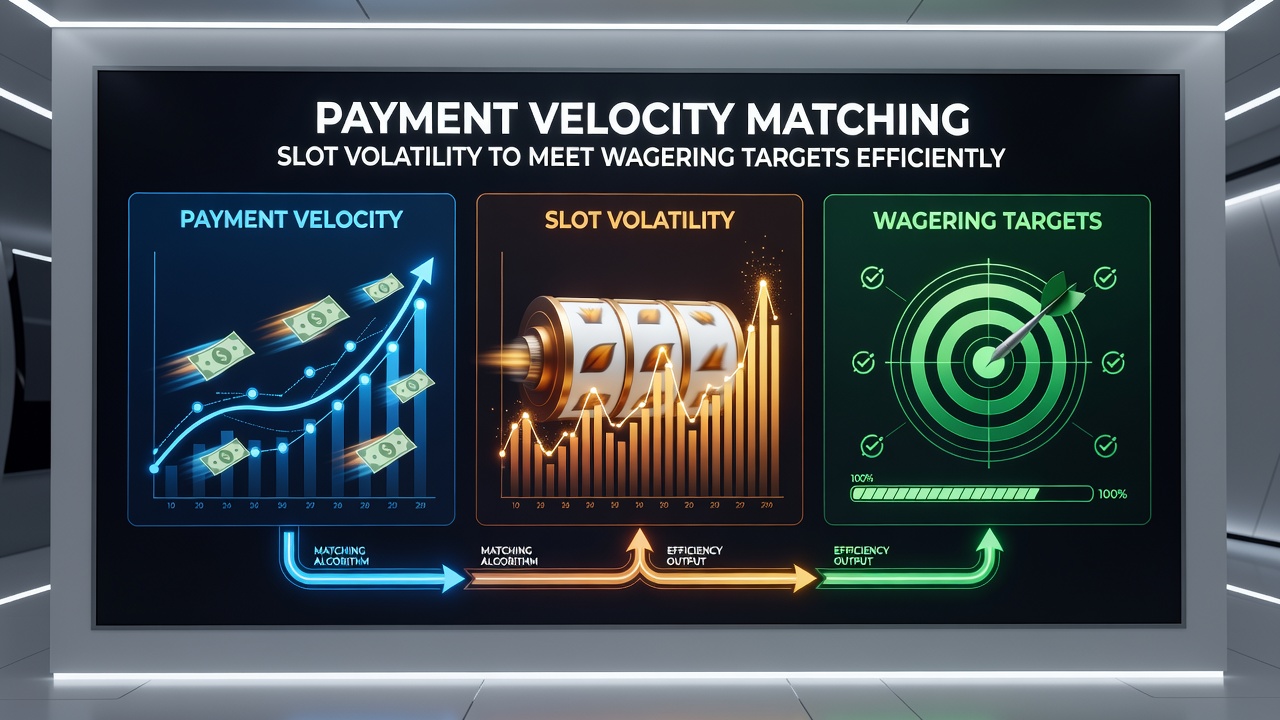
Operators apply these alignments through backend algorithms that monitor both real-time transaction data and game performance metrics. When a player initiates a deposit via a high-velocity channel, the system can surface volatility filters that prioritize titles with larger potential payouts. Conversely, slower funding methods trigger interfaces that emphasize consistent, lower-risk selections.
Research published by the University of Las Vegas International Gaming Institute examined correlations between payment settlement times and wagering fulfillment across several thousand player accounts. The study found that accounts using sub-minute cryptocurrency transfers completed high-volatility wagering targets at higher rates than accounts relying on multi-hour banking transfers, provided volatility settings remained constant.
Additional examples appear in operator case studies where platforms introduced velocity-matched volatility toggles. One European operator documented a 12 percent increase in completed wagering cycles after implementing such filters in its mobile application during the first quarter of 2026. A separate North American platform reported similar patterns when it linked payment velocity categories to volatility indicators in its loyalty program dashboard.
Data Patterns and Reporting Standards
Industry associations such as the European Gaming and Betting Association publish periodic summaries that track payment velocity distributions. These summaries include breakdowns by region and payment type, and they note seasonal variations in transaction speeds that coincide with promotional periods. Observers note that these reports provide operators with benchmarks for calibrating volatility recommendations against typical funding patterns.
Academic analyses continue to explore how volatility interacts with payment infrastructure under different regulatory frameworks. Papers from institutions in Australia and Canada examine whether velocity-matched systems affect player behavior metrics such as session length and deposit frequency. Findings from these studies emphasize statistical relationships rather than prescriptive recommendations.
Conclusion
Payment velocity and slot volatility function as interrelated variables within digital casino ecosystems. When systems align transaction speeds with volatility classifications, wagering targets become reachable through coordinated funding and gameplay sequences. Available data from regulatory filings, academic research, and operator reports illustrate consistent patterns in how these elements interact across multiple jurisdictions and platform types. Continued monitoring of transaction metrics alongside game performance data supports further refinement of these alignments in evolving market conditions.