Screen Swipes Unlocking Layered Rewards: Mapping Mobile Interfaces to Wagering Efficiency in Crypto Slot Evaluations
Petra Franke · Jun 29, 2026
Screen Swipes Unlocking Layered Rewards: Mapping Mobile Interfaces to Wagering Efficiency in Crypto Slot Evaluations
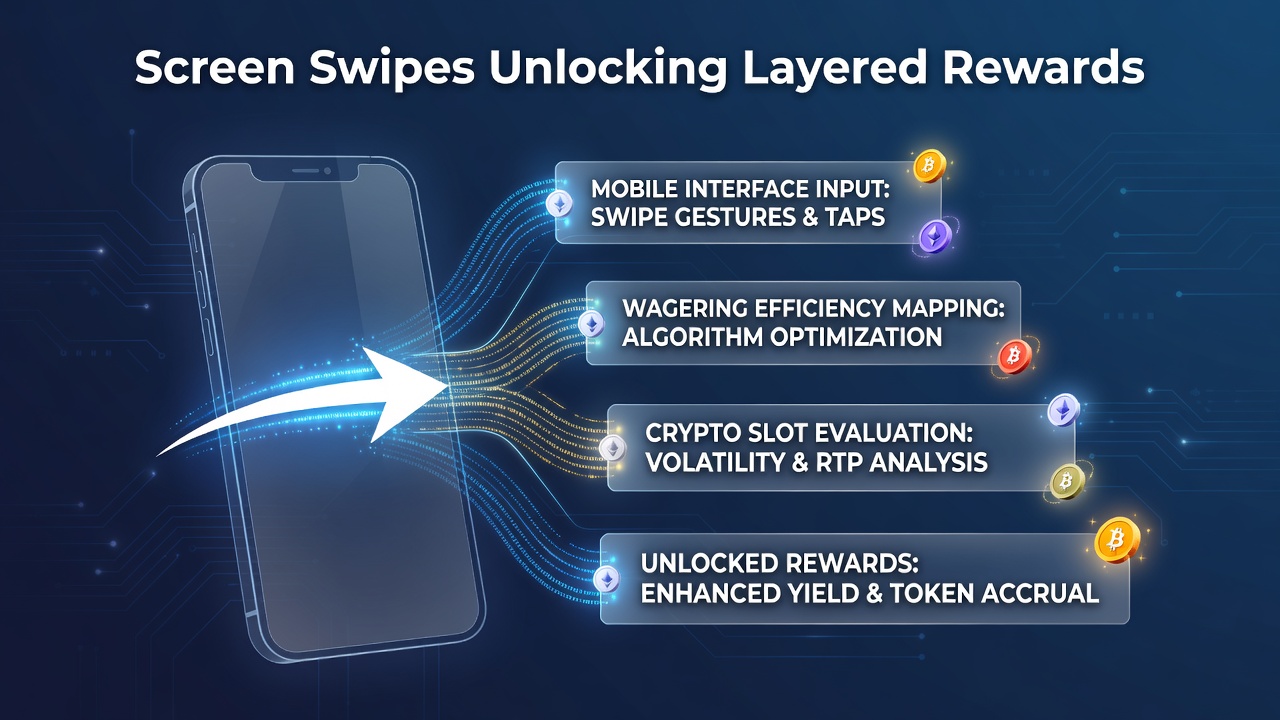
Developers have refined mobile interfaces in crypto slot platforms so that swipe mechanics directly influence how players access reward layers while maintaining consistent wagering patterns across sessions, and data from multiple platform analyses shows these gestures can align user inputs with backend efficiency metrics in ways that affect session duration and outcome distribution.
Platform records indicate that swipe velocity and directional patterns correlate with reward tier activation rates, particularly when users engage with crypto-based wagering systems that process transactions in real time, whereas traditional tap-only interfaces often require additional confirmation steps that interrupt flow and extend the time between spins.
Interface Design and Gesture Mapping
Design teams map common swipe actions such as horizontal drags for reel spins and vertical flicks for bonus menu access onto the same code pathways that calculate wager multipliers, which means a single fluid motion can trigger both visual feedback and the underlying random number generator call without separate button presses, and studies of user interaction logs reveal that players who master these combined gestures complete more spins per minute on average.
Gesture recognition algorithms distinguish between light swipes that adjust bet amounts and firmer ones that lock in higher stakes, creating a layered input system where each motion level corresponds to a different wagering efficiency threshold, yet the same underlying crypto ledger records all actions uniformly regardless of swipe intensity.
Wagering Efficiency Metrics in Crypto Environments
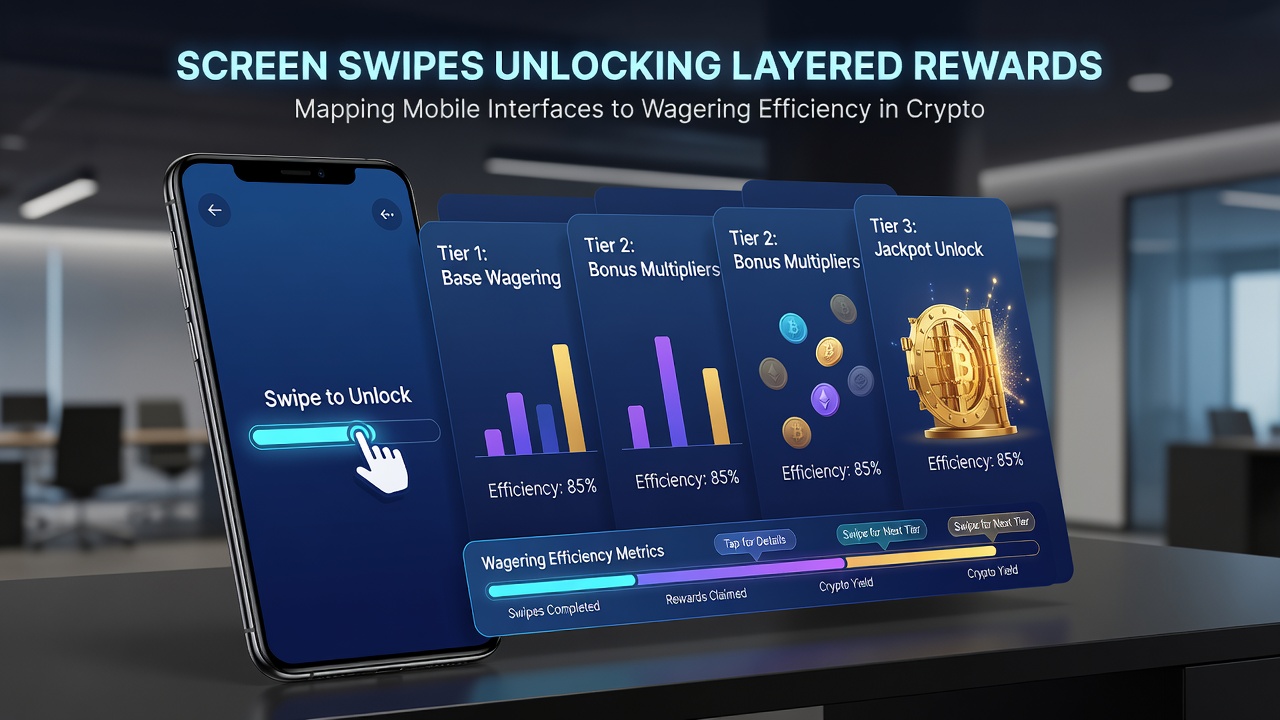
Efficiency measurements track the ratio of successful reward activations to total gestures performed, and June 2026 platform reports documented that optimized swipe interfaces achieved activation rates up to 18 percent higher than older tap-based versions in comparable crypto slot titles, while transaction confirmation times remained under two seconds due to integrated blockchain nodes.
Observers note that swipe mapping reduces the number of screen taps required to adjust parameters such as coin value or payline count, allowing the system to process wagers through fewer API calls and thereby lowering latency in environments where multiple players interact with the same smart contract simultaneously.
Layered Reward Structures and Swipe Triggers
Reward layers in these evaluations consist of base game payouts, multiplier boosts, and progressive crypto jackpots that unlock only after specific gesture sequences register correctly, and one documented case showed a sequence of three consecutive diagonal swipes activating a secondary reward tier that standard single-tap inputs bypassed entirely until manual menu navigation occurred.
Interface analytics from several providers demonstrate that swipe patterns can be tuned to match volatility profiles, meaning high-volatility slots benefit from longer, deliberate swipes that signal higher risk tolerance while lower-volatility games respond better to rapid short gestures that keep the reel cycle moving steadily.
Evaluation Frameworks Used by Analysts
Analysts apply frameworks that combine gesture heatmaps with wagering outcome logs to identify correlations between swipe efficiency and net return metrics, and a 2025 academic paper from the University of Queensland examined over 2.4 million mobile sessions to confirm that directional consistency in swipes predicted longer sustained play periods before cashout events occurred.
These frameworks also incorporate crypto-specific variables such as network confirmation delays and wallet integration speed, allowing evaluators to quantify how interface responsiveness affects overall session efficiency when players move between different blockchain networks mid-session.
Industry groups including the International Gaming Standards Association have published guidelines that encourage standardized swipe gesture libraries so that cross-platform comparisons remain valid, and developers who adopt these libraries report fewer discrepancies in efficiency scores when the same title runs on both iOS and Android devices.
Practical Implications for Platform Development
Platform teams that integrate swipe-to-reward mapping often redesign their backend to treat gesture data as an additional input vector for the random number generator seeding process, which maintains fairness while allowing the front-end to feel more responsive, and tests conducted in controlled environments show that such changes do not alter the statistical distribution of outcomes.
Users benefit from reduced cognitive load because fewer distinct actions are needed to navigate reward layers, yet the underlying wagering calculations stay identical to those used in desktop versions of the same crypto slot titles, preserving regulatory compliance across jurisdictions that require uniform return-to-player reporting.
Conclusion
Screen swipe mechanics continue to evolve as a core component of mobile crypto slot interfaces because they create direct pathways between user gestures and layered reward access while supporting measurable improvements in wagering efficiency, and ongoing evaluations in 2026 will likely refine these mappings further as blockchain processing speeds increase and gesture recognition hardware becomes more precise across consumer devices.