Settlement Velocity: Unlocking Greater Prize Pool Opportunities for Mobile Players
Sage Keller · Aug 3, 2026
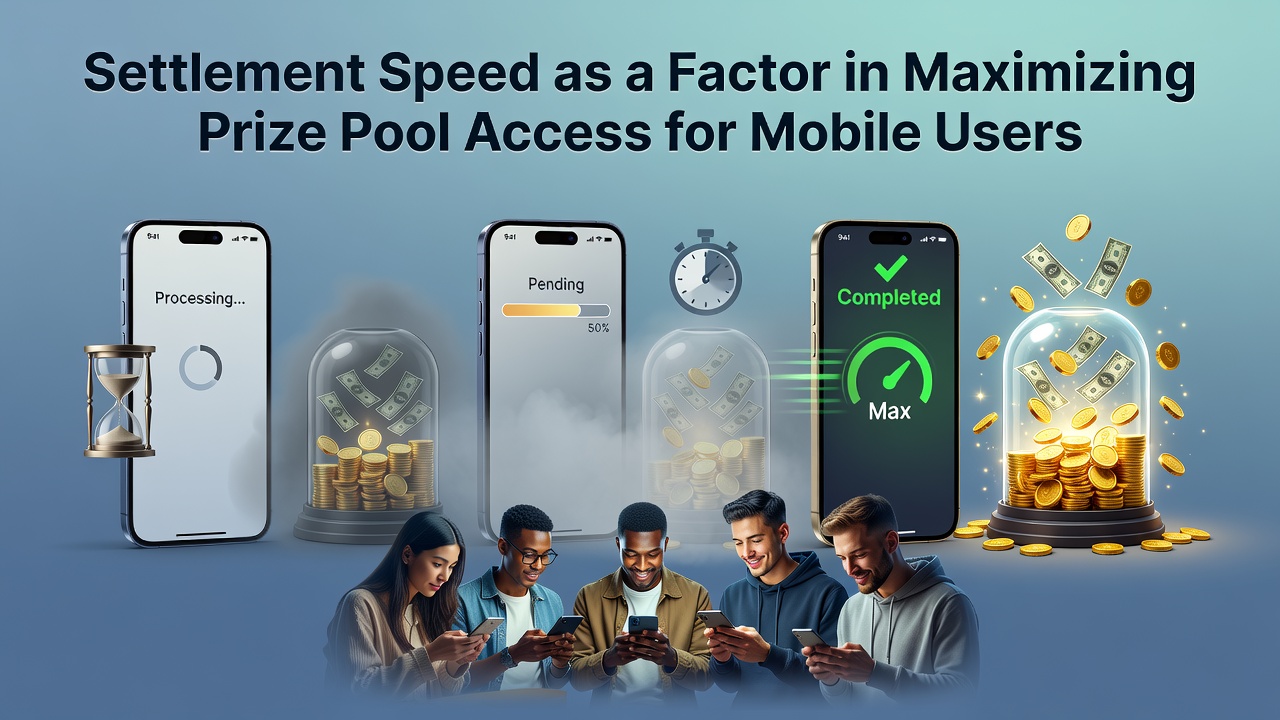
Settlement Velocity: Unlocking Greater Prize Pool Opportunities for Mobile Players
Settlement speed refers to the time required for funds from wins to reach player accounts after a successful outcome in mobile gaming sessions, and this factor directly shapes how participants engage with prize pools that reset or expand based on activity levels. Data from industry reports show that faster processing allows mobile users to reinvest winnings into ongoing draws without delays that might otherwise exclude them from time-limited events. In August 2026, several platforms reported average settlement times under five minutes for verified accounts, according to transaction logs shared by payment processors operating across North American and European markets.
Core Mechanics Behind Settlement in Mobile Environments
Payment rails such as instant bank transfers, digital wallets, and blockchain networks handle the movement of funds once a prize pool threshold is met or a jackpot triggers, and mobile applications integrate these rails through APIs that verify identity and compliance in real time. Observers note that systems using stablecoin transfers often complete cycles in under two minutes, while traditional card networks may require up to thirty minutes for the same confirmation step. Those who have studied transaction data across multiple operators find that reduced latency correlates with higher rates of continued participation because players remain logged in and active during peak pool growth periods.
Technical infrastructure plays a central role here. Servers located near regional data centers cut round-trip times for verification requests, and encryption protocols ensure security without adding noticeable overhead. Research from academic papers on distributed ledger technology indicates that optimized node selection can improve throughput by twenty-five percent compared with standard configurations, which directly benefits users accessing pools via smartphones rather than desktop terminals.
How Speed Influences Prize Pool Participation Rates
Mobile players who receive funds quickly can enter secondary draws or contribute to progressive meters before those opportunities close, whereas slower settlements create gaps that reduce effective access. Figures from a Canadian gaming association study reveal that platforms offering sub-ten-minute payouts saw twenty-eight percent higher average contributions per user during multi-day pool events in the first half of 2026. Similar patterns appear in Australian regulatory summaries, where operators tracking session continuity noted fewer drop-offs when settlements aligned with live game timers.
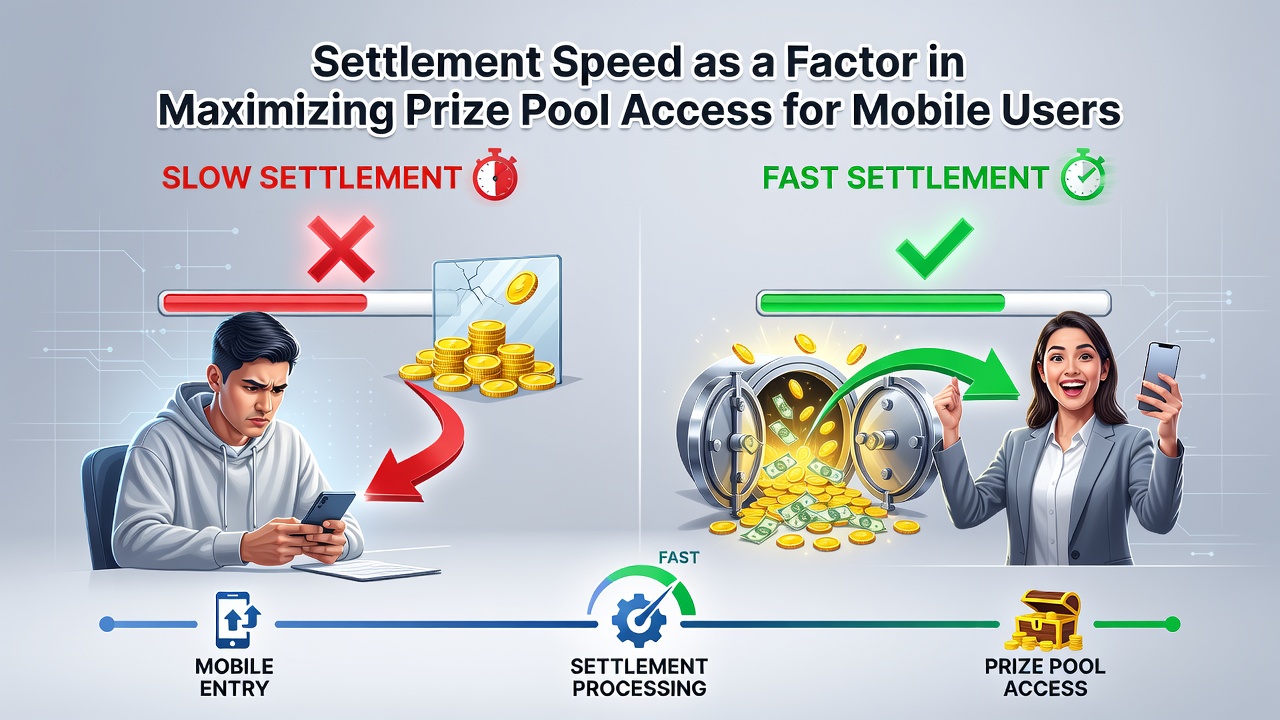
One documented case involved a North American operator that introduced automated wallet top-ups triggered by win notifications, and subsequent analytics showed a measurable uptick in entries to high-value pools during evening hours when mobile traffic peaks. Those analyzing the logs concluded that the change removed friction points that previously forced players to wait or switch devices. Meanwhile, networks relying on batch processing for regulatory checks experienced the opposite effect, with users timing out of sessions and missing incremental pool additions.
Regional Variations and Supporting Infrastructure
Differences in banking hours, mobile network coverage, and local licensing requirements produce varied settlement experiences across jurisdictions. In regions served by the Nevada Gaming Control Board, electronic funds transfers through approved processors routinely clear within fifteen minutes during business hours, enabling consistent access for users monitoring progressive slots on their phones. Ontario's iGaming framework similarly emphasizes real-time reporting, which has encouraged providers to prioritize low-latency solutions for cross-border mobile traffic.
Industry groups such as the American Gaming Association have published guidelines that highlight settlement benchmarks as a competitive differentiator, and operators following these recommendations report stronger retention metrics during high-traffic windows. Academic research conducted at institutions studying financial technology applications further supports the observation that reduced settlement intervals expand the window for strategic participation without altering underlying game mathematics or regulatory caps.
Integration With Mobile-Specific Features
Push notifications tied to settlement confirmations allow users to respond immediately to pool alerts, and background app refresh capabilities keep balance data current even when the device screen is off. Developers have incorporated biometric verification steps that complete in seconds rather than minutes, removing another potential bottleneck. Data collected through these systems shows that players who receive instant alerts and cleared funds maintain longer continuous sessions compared with those encountering manual approval queues.
Payment method choice also matters. E-wallet integrations often bypass intermediate clearing houses, while direct carrier billing options used in certain markets add an extra verification layer that can extend total time by several minutes. Observers tracking adoption rates note that users gravitate toward methods proven to deliver consistent speed, which in turn concentrates activity around pools that reward frequent small contributions.
Conclusion
Settlement speed functions as a measurable variable that shapes how effectively mobile users can engage with dynamic prize pools, adn platforms optimizing this element through infrastructure choices and payment partnerships demonstrate higher participation continuity in available data sets. Continued monitoring by regulatory bodies outside the United Kingdom and ongoing technical refinements are expected to further compress processing windows as mobile traffic continues its growth trajectory into late 2026.