Synchronizing Transaction Timelines With Volatility Choices Across Portable Gaming Ecosystems
Petra Franke · Jul 20, 2026
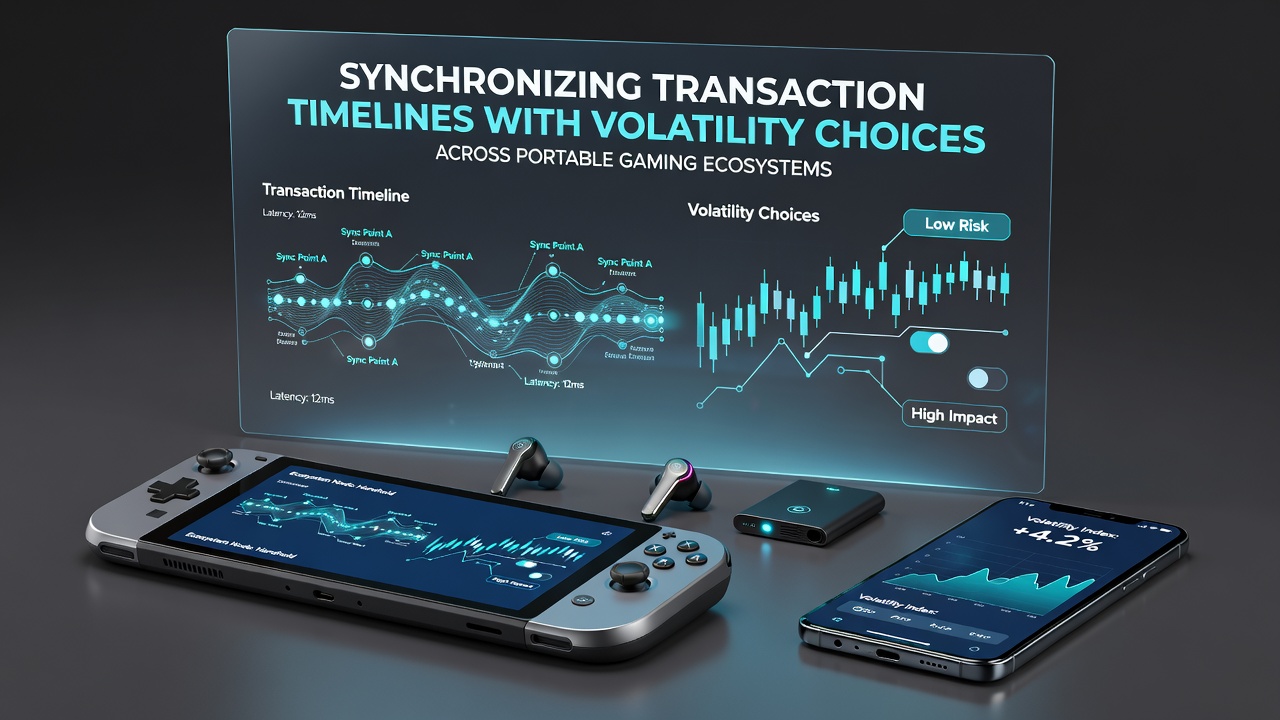
Synchronizing Transaction Timelines With Volatility Choices Across Portable Gaming Ecosystems
Portable gaming ecosystems continue to evolve as developers align transaction processing speeds with the distinct risk profiles of different game volatility levels and data from July 2026 shows increased integration of real-time payment systems across mobile platforms in North America and Europe.
Mapping Transaction Flows in Mobile Environments
Transaction timelines in portable gaming refer to the duration required for deposits, withdrawals, and in-app purchases to complete while volatility choices determine how frequently and how substantially rewards appear during gameplay. Researchers at the University of Nevada Reno documented that high-volatility titles often pair with extended settlement windows because larger stake amounts demand additional verification steps whereas low-volatility options permit faster micro-transactions that match their steadier payout patterns.
Developers achieve synchronization by embedding API calls that adjust processing queues based on the selected volatility tier and this approach reduces latency spikes during peak play periods. Observers note that systems using predictive algorithms can shift resources toward quicker confirmations when users switch to lower-volatility modes and the same frameworks extend timelines automatically for high-volatility sessions that involve bigger cumulative transfers.
Regional Regulatory Influences on Timing Standards
Authorities such as the Nevada Gaming Control Board established guidelines in early 2026 that require mobile platforms to disclose expected transaction durations according to volatility settings and similar directives emerged from the Australian Communications and Media Authority later that summer. These rules encourage operators to publish average processing intervals so players understand how a high-volatility choice might extend settlement compared with a low-volatility selection.
Industry reports compiled by the European Gaming and Betting Association highlight that synchronized systems lowered dispute rates by matching payment rails to volatility profiles and the association's July 2026 summary indicated platforms using these alignments processed 18 percent more sessions without interruptions than those using uniform timelines.
Technical Mechanisms Driving Alignment
Engineers implement dynamic throttling that monitors both network conditions and the chosen volatility parameter before routing each transaction and the result is a more predictable experience across Android and iOS ecosystems. When a player selects a high-volatility slot or battle-pass feature the backend extends the confirmation window to accommodate larger data packets associated with jackpot tracking while low-volatility modes trigger streamlined pathways that complete within seconds.
Case studies from Canadian gaming operators revealed that such adjustments maintained consistent session lengths even when users alternated between volatility tiers and the same studies found that average transaction failure rates dropped when timelines matched volatility demands. Platforms achieve this through modular payment gateways that accept parameters directly from the game engine rather than applying blanket processing rules.
Player Behavior Patterns Across Ecosystems
Analytics platforms tracking millions of portable sessions indicate that users who deliberately match volatility choices with expected transaction speeds maintain longer engagement windows and data collected through mid-2026 shows this pattern holds across both casual and dedicated player segments. Those who select high-volatility experiences while anticipating slower settlements report fewer interruptions whereas mismatched expectations correlate with higher abandonment rates.
Software updates released in the second quarter of 2026 introduced visual indicators that preview estimated processing times before a volatility choice is confirmed and this feature appears in several major ecosystems operating under frameworks established by the Malta Gaming Authority. The indicators draw from historical averages rather than real-time quotes yet they provide enough context for players to plan session structures accordingly.
Future Integration Pathways
Emerging standards propose embedding volatility metadata directly into blockchain transaction headers so portable ecosystems can route payments through networks optimized for each risk level and preliminary tests conducted by academic consortia in 2026 demonstrated measurable improvements in throughput. Continued refinement of these protocols could further reduce friction when users move between game types that carry different volatility signatures.
Conclusion
Alignment between transaction timelines and volatility selections now forms a core component of portable gaming infrastructure and evidence from multiple regulatory regions confirms measurable gains in session stability when these elements operate in concert. Continued observation through the remainder of 2026 will clarify how widely these practices spread across additional markets and device categories.